Most problems don't start with failure. They begin with shortcuts.
Air conditioner installation sets the foundation for how your property performs under pressure. When installation steps are rushed or overlooked, efficiency declines, maintenance costs increase, and tenant satisfaction suffers quickly.
The system may turn on, but it never truly performs at its best, especially during peak heat and heavy usage.
In 2026, a smooth AC installation requires more than new equipment. It requires a clear checklist that guides every decision from planning to performance.
This article breaks down those steps so your cooling system works consistently, efficiently, and without surprises, protecting both comfort and long-term property value.
Key Takeaways
A smooth AC installation starts long before technicians arrive
Proper installation directly affects efficiency, lifespan, and tenant satisfaction
Professional planning reduces costly rework, callbacks, and downtime
What the AC Installation Checklist Covers
This AC installation checklist follows a clear before, during, and after structure. It helps you understand what matters at each stage of HVAC system installation, from preparation through post-installation verification.
By following this framework, you reduce delays, control costs, and ensure your air conditioning installation meets modern performance, safety, and efficiency standards.
Understanding Modern Air Conditioner Installation Systems
Air conditioner installation in 2026 looks very different from older setups. Modern systems prioritize energy efficiency, zoning flexibility, and compatibility with smart thermostats and automation tools.
You typically choose between split-system AC installation and central air conditioning installation, depending on the property's size, layout, and tenant usage patterns. Each option comes with distinct installation requirements and performance benefits.
Pre-Installation Planning for Air Conditioning Installation
Preparation determines success. Before installation begins, you assess space requirements, airflow pathways, electrical capacity, and outdoor unit placement.
When you plan thoroughly, professional AC installation proceeds smoothly without last-minute changes that slow progress, increase labor time, or compromise performance.
Choosing the Right AC System Before Installation
System sizing matters more than brand selection. An oversized unit cycles too frequently, wasting energy and prematurely wearing out components. An undersized system strains under demand and struggles to maintain a comfortable temperature.
When you match system capacity to property needs, you protect efficiency, tenant comfort, and long-term system reliability.
Electrical and Structural Readiness for HVAC Installation
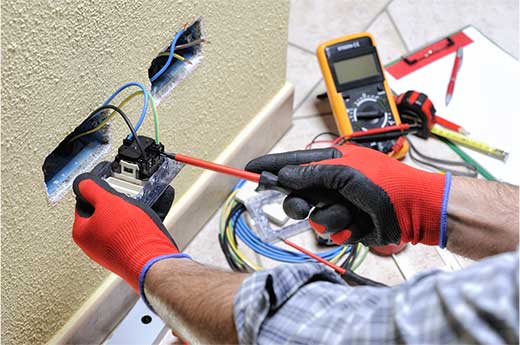
Every HVAC installation checklist includes an electrical verification step. Circuits, breakers, and wiring must support the new system safely and consistently.
You also confirm mounting locations, wall strength, drainage slope, and outdoor clearance to prevent vibration, water pooling, or airflow obstruction.
Preparing the Installation Area for a Smooth Setup
Clearing access points, protecting floors, and coordinating tenant schedules streamline the air conditioning installation process.
Simple preparation reduces installation time, minimizes disruption, and prevents accidental damage to walls, flooring, or furnishings.
AC Installation Steps: What Happens on Installation Day
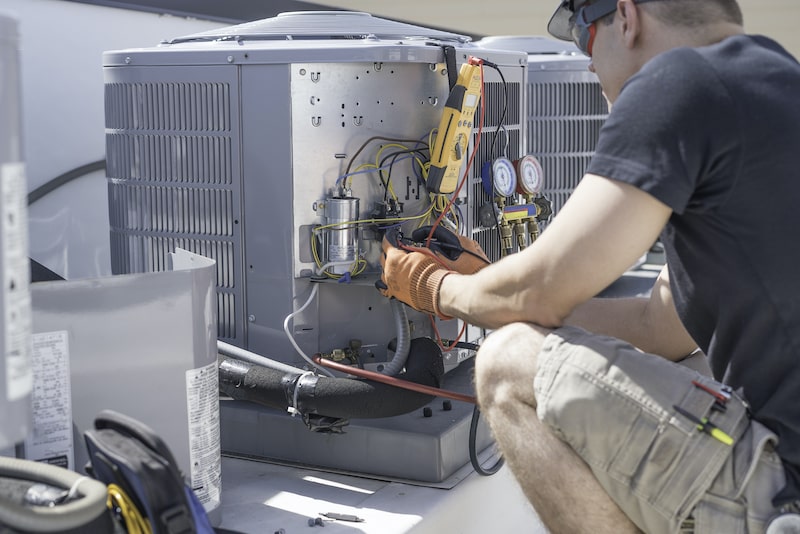
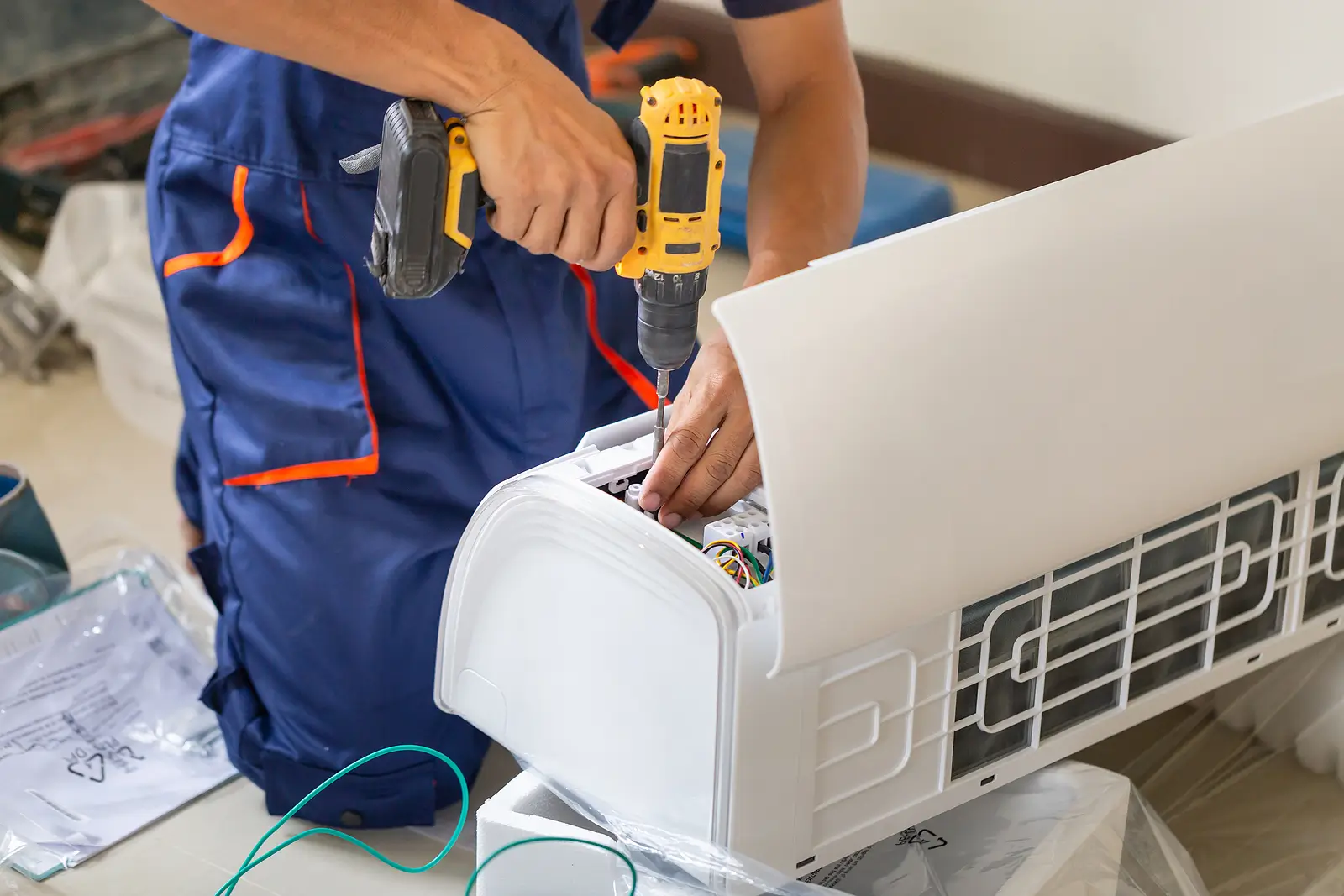
On installation day, technicians follow a defined set of AC installation steps, including equipment placement, refrigerant line setup, electrical connections, and drainage installation.
You can expect controlled noise, coordinated movement, and ongoing safety checks throughout the process as the system takes shape.
Split System AC Installation vs Central Air Conditioning Installation
Split system AC installation is ideal for apartments, townhomes, and smaller properties that benefit from room-by-room temperature control.
Central air conditioning installation is ideal for larger homes or multi-room layouts that require consistent cooling throughout shared spaces.
HVAC System Installation Safety and Quality Checks
A proper HVAC installation checklist includes pressure testing, electrical verification, airflow measurement, and secure mounting.
These quality checks ensure the system operates safely, complies with relevant regulations, and meets the manufacturer's specifications.
What to Expect During Professional AC Installation
Professional AC installation follows a structured workflow. Technicians manage equipment handling, system alignment, refrigerant charging, and calibration.
You remain available for access and questions, but the process requires minimal hands-on involvement when preparation is complete.
Post-Installation System Testing and Verification
After installation, technicians test airflow, thermostat response, cooling output, and system balance to ensure optimal performance.
This verification protects warranties and confirms that your air conditioner installation delivers the efficiency and performance promised.
Optimizing Efficiency After Air Conditioner Installation
Efficiency does not stop at installation. Proper thermostat programming, airflow balancing, and filter placement improve performance immediately.
These final adjustments help reduce energy consumption, stabilize operating costs, and improve tenant comfort from day one.
Common Mistakes That Disrupt Smooth AC Installation
Skipping preparation, ignoring electrical readiness, or rushing system selection often leads to performance problems and early service calls.
Avoiding these mistakes keeps your smooth AC installation on track and reduces long-term operational headaches.
Maintenance Considerations After HVAC Installation
Early maintenance planning extends system life. Filter schedules, inspection intervals, and tenant usage guidelines matter immediately after installation.
Proactive care prevents breakdowns during peak seasons and preserves efficiency year after year.
Why Professional AC Installation Makes a Difference
DIY shortcuts often fail to meet efficiency, safety, or compliance standards. Professional AC installation delivers accuracy, durability, and accountability.
Experienced installers identify potential issues early and fine-tune system performance to match your property's demands.
FAQs
Q1. How long does a typical AC installation take?
Most residential installations take several hours to a full day, depending on system type, property layout, and electrical readiness.
Q2. Can AC installation affect long-term energy costs?
Yes. Proper sizing, airflow setup, and calibration have a direct impact on efficiency and ongoing operating expenses.
Q3. Do tenants need to vacate during installation?
In most cases, tenants can remain on-site with minimal disruption, especially when the installation is well-planned and executed.
From Installation to Efficiency: Where Comfort Meets Confidence
A successful AC installation does more than cool a space. It protects your investment, supports tenant satisfaction, and reduces future maintenance surprises. When you follow a structured AC installation checklist, you transform a technical task into a strategic advantage.
Powerhouse Home Services delivers professional AC installation backed by experience, precision, and efficiency-focused planning.
When you are ready to transition from installation to long-term performance, our team will help you achieve the comfort you can trust and systems that work exactly as they should.
Other Resources:
The Most Common AC Repairs in Southwest Florida and How to Prevent Them