Southwest Florida heat doesn’t knock politely. It rushes in like a headliner taking the stage, bold and unrelenting, ready to test the limits of every AC system in your investment portfolio.
In moments like these, your cooling system becomes more than machinery. It becomes the invisible backbone of your rental business, the quiet guardian keeping tenants comfortable and your cash flow predictable.
When it falters, the fallout is evident in maintenance tickets, tenant complaints, and unexpected expenses.
But here’s the good news: with the proper insight, you can turn these challenges into manageable routines rather than costly surprises.
Key Takeaways
Consistent HVAC maintenance reduces the most common AC repairs and protects your long-term property value.
Early attention prevents minor air conditioner problems from becoming high-cost emergencies.
Southwest Florida’s climate accelerates system wear, making proactive care essential for every landlord.
Why AC Issues Are More Common in Southwest Florida
Southwest Florida’s environment plays against your AC from the moment it begins running. The salt in the coastal air corrodes components, especially outdoor units. Long cooling seasons force the system to run harder for more hours per day than most places in the country.
This constant effort increases the likelihood of AC repair issues that disrupt cooling performance. The region’s intense humidity also forces your system to remove moisture nonstop, placing additional stress on coils, drains, and electrical parts.
Refrigerant Leaks
Refrigerant leaks occur more frequently in this climate because coils corrode more rapidly. When your AC starts blowing warm air, making bubbling noises, or driving up electric bills, you’re likely dealing with a leak.
A refrigerant leak repair restores your system’s cooling power and prevents excessive damage to the compressor. Early detection is essential for avoiding energy waste and larger failures.
Frozen Evaporator Coils
Frozen evaporator coils are a classic indication of restricted airflow or low refrigerant levels. When the coil freezes, your AC struggles, and your property may face complaints about inadequate cooling.
Humidity makes frozen evaporator coils even more common in Southwest Florida. Preventing AC coil freezing starts with clean filters, clear ducts, and proper refrigerant levels during routine HVAC maintenance.
Clogged or Dirty Air Filters
Dirty AC filter problems are among the easiest AC troubleshooting issues to prevent. When a filter clogs, the system loses airflow and must work harder, potentially leading to overheating or freezing.
Clean filters enhance AC system efficiency, lower costs, and safeguard your unit from unnecessary stress. Checking filters monthly during summer helps you avoid common AC repairs throughout your rental portfolio.
Faulty Thermostats
A thermostat malfunction can affect cooling accuracy and lead to short cycling or complete AC failure. When the thermostat misreads the temperature, the system turns on and off incorrectly, creating frustration for tenants.
You can prevent these issues by recalibrating settings, changing batteries, or upgrading to smart thermostats programmed for Florida AC problems.
Capacitor Failures
Capacitors carry the electrical charge that starts your AC. However, extreme heat increases the likelihood of capacitor failure and AC issues in Southwest Florida. When the capacitor weakens, the AC struggles to turn on or fails to operate.
Keeping outdoor units shaded and scheduling regular electrical inspections helps protect the capacitor's lifespan and reduces the risk of unexpected breakdowns.
Fan Motor Problems
Fan motors endure heat, humidity, and salt air, making fan motor AC repair a frequent need for coastal properties. When the fan motor slows or stops, airflow suffers, and your tenants immediately feel the lack of cooling.
Cleaning debris, trimming plants around the unit, and maintaining routine HVAC servicing help extend the motor's life.
Electrical or Wiring Issues
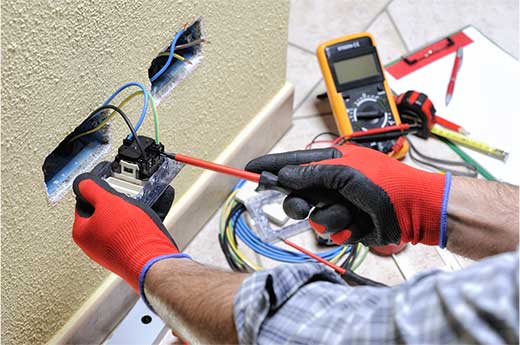
Electrical problems can compromise your AC's performance and pose a risk to your property's safety. Faulty wiring can cause short cycling, system shutdowns, or even fire hazards, all of which are urgent issues.
Professional inspections ensure safe wiring, prevent emergency AC repair, and maintain the reliability of your AC system.
Clogged Condensate Drain Lines
High humidity leads to algae growth in the condensate line, making clogged AC drain line issues a common occurrence.
When the line clogs, you may see AC leaking water or system shutdowns. Preventing this involves quarterly cleaning and adding drain tablets to maintain proper water flow.
Compressor Issues
The compressor is the heart of your cooling system. When it fails, an AC compressor failure quickly becomes one of the most costly repairs. Many compressor problems stem from low refrigerant, dirty coils, or electrical imbalances.
Routine inspections and cooling system cleaning prevent significant compressor damage and support long-term reliability.
AC Running but Not Cooling
When the AC runs but the property remains warm, you typically encounter airflow restrictions, refrigerant issues, or thermostat malfunctions.
Preventing these AC not cooling issues includes replacing filters, inspecting ducts, and scheduling summer AC tune-ups before temperatures peak.
Short Cycling
Short cycling drains energy, strains your system, and reduces cooling efficiency. Causes include incorrect thermostat placement, poor airflow, or improper system sizing.
Efficient airflow and proper thermostat installation help you avoid these AC performance problems and keep tenants comfortable.
Strange AC Odors
Strange AC odors often signal mold, electrical issues, or refrigerant concerns. Musty smells indicate moisture buildup, while burning or chemical odors require immediate attention.
Cleaning ducts, clearing drain lines, and monitoring moisture prevent odor-related HVAC maintenance issues from escalating.
Importance of Preventive AC Maintenance
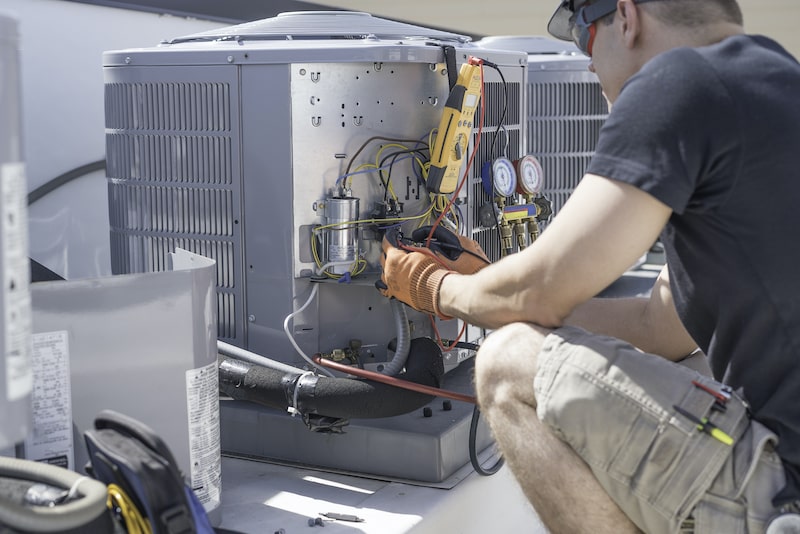
Preventive AC maintenance is the most effective strategy for reducing the most common AC repairs. Seasonal inspections, routine HVAC servicing, and a comprehensive Florida AC maintenance checklist help keep your system running efficiently throughout the year.
These small steps protect your investment, reduce the likelihood of emergencies, and enhance your property's rental appeal.
When to Call a Professional HVAC Technician
When you hear unusual noises, experience weak airflow, or see water leaking from your AC, it's time to call a professional.
Certified technicians accurately diagnose air conditioner problems. They prevent minor issues from escalating into major breakdowns, maintaining tenant satisfaction and ensuring uninterrupted property operations.
FAQs
Q1. How quickly should you respond to AC issues in rental properties?
Immediately. Quick action prevents system damage and supports consistent tenant satisfaction.
Q2. Are AC repairs more common in multi-unit properties?
Yes. Higher usage, variable tenant habits, and shared system strain cause more frequent AC troubleshooting needs.
Q3. What is the best temperature setting for efficiency in Florida?
Most experts recommend a temperature range of 74–76°F to strike a balance between comfort and AC system efficiency in hot climates.
Calm, Confident, and Protected: Your Path to Reliable HVAC Care
Your AC system is more than equipment. It is a lifeline for your tenants and a safeguard for your investment. With routine care, strong AC maintenance habits, and the support of trusted Southwest Florida HVAC services, you keep your properties comfortable, profitable, and protected.
Invest in professional maintenance today and let your cooling systems deliver the reliability your portfolio deserves.
For expert service you can count on, partner with us at PowerHouse Home Services to keep your properties running at their best.
Other Resources:
Copper vs. PEX: Which Plumbing Material is Best for Repiping?
Protect Your Home: How Our Wiring Services Prevent Electrical Fires in SW Florida